
Art in Motion: Understanding the Bharatanatyam Dance Form
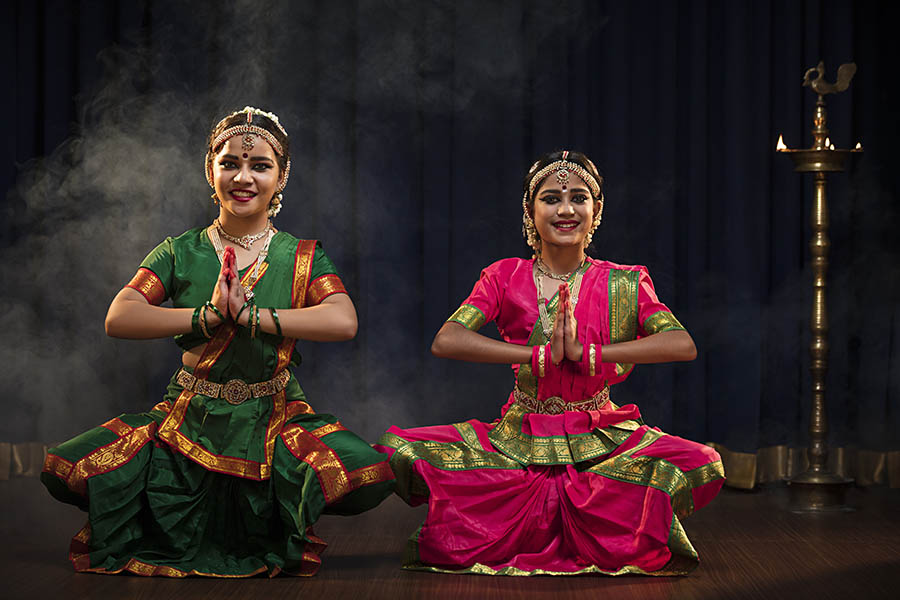
Bharatanatyam evolved from sacred temple rituals in ancient Tamil Nadu to a celebrated global performing art, embodying devotion, precision, and storytelling. Rooted in the Natya Shastra, this classical dance form transitioned through historical challenges into modern
Bharatanatyam began as Sadir or Dasi Attam around 2000 years ago, performed by Devadasis in South Indian temples like Chidambaram’s Thillai Nataraja Temple. These dancers offered spiritual narratives from Hindu mythology through mudras, abhinaya, and rhythmic footwork, reflecting cosmic rhythms dedicated to Lord Shiva as Nataraja proscenium stages worldwide.
Temple Origins
Bharatanatyam began as Sadir or Dasi Attam around 2000 years ago, performed by Devadasis in South Indian temples like Chidambaram’s Thillai Nataraja Temple. These dancers offered spiritual narratives from Hindu mythology through mudras, abhinaya, and rhythmic footwork, reflecting cosmic rhythms dedicated to Lord Shiva as Nataraja.
Revival and Modernization
By the 20th century, anti-Devadasi reforms and colonial influences nearly faded the tradition, but pioneers like Rukmini Devi Arundale revived it in 1932, renaming it Bharatanatyam and establishing institutions like Kalakshetra. The Thanjavur Quartet standardized techniques in the 19th century, shifting it from temple precincts to royal courts and theaters.
Global Reach
Today, Bharatanatyam thrives on international stages, blending tradition with fusions in festivals, Bollywood, and contemporary works. Its technical rigor and expressive depth attract global learners, from Hyderabad academies to New York studios, symbolising cultural heritage.