
Physical and emotional discipline is mandatory for classical dance
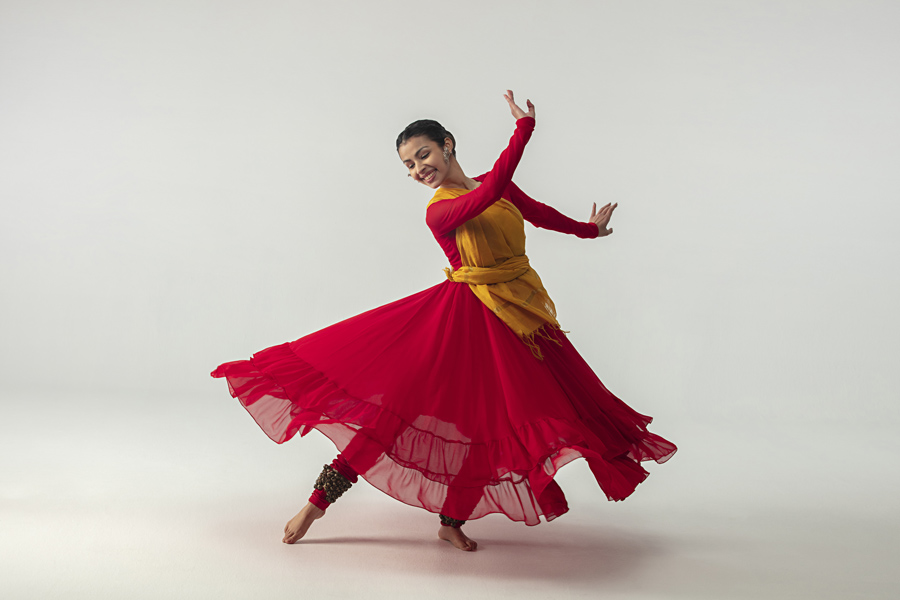
Physical and emotional discipline forms the cornerstone of classical dance like Bharatanatyam, transforming practitioners into poised artists who embody grace and storytelling.
Building Physical Discipline
Classical dance demands rigorous training of the body through repetitive adavus (basic steps), nritta (pure dance), and nritya (expressive dance), honing stamina, flexibility, and precision. Dancers master intricate mudras and footwork synced to talam (rhythm), requiring hours of daily practice to achieve seamless coordination and strength. This physical rigor, as seen in Kalakshetra-style curricula, prevents injuries and builds endurance for arangetrams (debut performances)
Cultivating Emotional Discipline
Emotional control shines in abhinaya, where dancers convey navarasa (nine emotions) with subtle facial expressions and gestures, channeling personal feelings into universal narratives from mythology. Discipline tempers raw emotion into authentic expression, fostering resilience against stage fright or creative blocks. For kids in Hyderabad academies, this instills focus and empathy early, turning practice into meditative devotion
Benefits for Modern Learners
Mastering both disciplines yields lifelong gains: improved posture, stress relief, and confidence, ideal for busy professionals or children balancing studies. Integrating yoga or konnakkol (rhythm vocalization) enhances outcomes, making Bharatanatyam a holistic pursuit. Parents seeking enrichment will value how it nurtures well-rounded growth.+